

Q4 starts now! A small business should review its year-to-date numbers, estimate its tax liability, evaluate purchases and retirement contributions, confirm owner compensation, and clean up its books before December 31.
Waiting until January is too late for many of these decisions. Use the final months of the year to make informed moves while you still have options.
Your Year-End Financial Checklist
1. Review profit and cash flow now
Start with your year-to-date profit and loss statement and balance sheet. Look at your revenue, expenses, cash balance, accounts receivable, and upcoming bills.
For example, if your business has generated $180,000 in profit through September and expects another $60,000 in Q4, your projected annual profit may be close to $240,000. That estimate gives you a starting point for tax planning and cash management.
Profit and cash flow are not the same. A profitable business can still feel short on cash if customers have not paid their invoices or if large expenses are coming due.
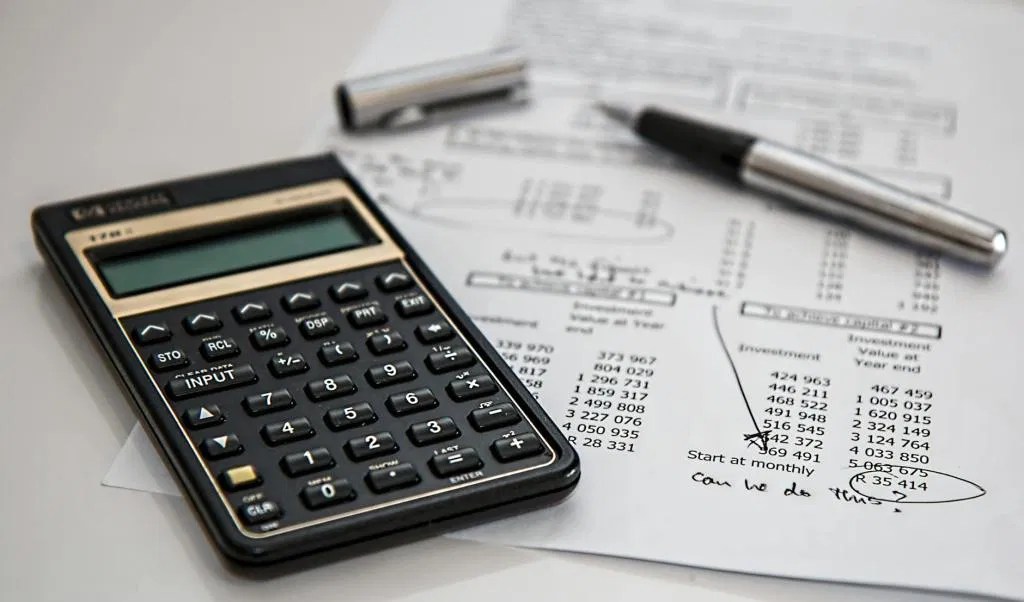
2. Estimate your tax liability before year-end
Do not wait for tax preparation to find out what you owe. Build a tax projection now.
Compare your expected annual tax liability with your estimated tax payments and payroll withholding. The IRS explains that business owners may need estimated tax payments when withholding is not enough.
As a general example, if your projected federal and state tax liability is $50,000 but you have paid only $35,000 so far, you may need to plan for the remaining $15,000. Your actual amount will depend on your entity type, income, deductions, credits, and personal tax situation.
A projection can also help you decide whether a Q4 estimated payment or additional payroll withholding makes sense.
3. Review purchases and expenses before December 31
Consider expenses and purchases your business genuinely needs before year-end. These may include:
- Technology or equipment
- Professional services
- Software subscriptions
- Employee benefits
- Repairs and maintenance
- Necessary inventory or supplies
A purchase should solve a real business need. Do not spend $10,000 simply to create a deduction. A $10,000 expense may reduce taxable income, but it still costs $10,000 in cash.
Timing matters, too. Some assets may need to be placed in service before December 31 to qualify for a current-year deduction. Review major purchases with your tax professional before committing.
4. Review your entity structure and owner compensation
If you operate as an S corporation, review your salary and distributions before the year closes. The IRS generally requires shareholder-employees to receive reasonable compensation for the services they provide.
If your business paid you $20,000 in wages but distributed $100,000 during a year when you worked full-time, the salary may need closer review. A final payroll adjustment may be appropriate, but it should be based on your role, industry, experience, hours, and business results.
If you are considering an S corporation election for next year, Q4 is a good time to model the potential benefits and added responsibilities. Payroll, tax filings, and reasonable compensation all require planning.
5. Check retirement plan options
Retirement plans can support your future while potentially lowering taxable income. Depending on your business structure and employees, options may include a SEP IRA, solo 401(k), SIMPLE IRA, or traditional 401(k).
Plan deadlines and contribution limits vary. Some plans must be established before year-end, while certain contributions may be allowed later. Review the rules early. The IRS provides information about retirement plans for small businesses.
Your cash flow matters here, too. A contribution should support your long-term goals without creating a short-term cash crunch.

6. Clean up your bookkeeping
Accurate books make every year-end decision easier. Before December 31, work through your:
- Bank and credit card reconciliations
- Unpaid customer invoices
- Vendor bills
- Loan balances
- Payroll records
- Contractor payments
- Owner draws and contributions
- Receipts for major expenses
When your books are current, your tax projection is more reliable. Your year-end close is also faster and less stressful.
A clean close helps you start the new year with numbers you can trust.
Proactive planning beats tax-season surprises
Year-end tax planning is not about finding a last-minute trick. It is about understanding your numbers early enough to make thoughtful choices.
You may be able to adjust estimated payments, make a needed purchase, review owner compensation, establish a retirement plan, or improve your cash reserves. But those choices become harder once the year is over.
Start with the numbers you have today. Then create a plan for the decisions that must happen before December 31.
Need a place to start? Request the Year-End Financial Checklist, or contact Refined Tax Horizons to discuss your year-end plan. Subscribe for more practical accounting and tax guidance for growing businesses!
Frequently Asked Questions
What should a small business do financially before year-end?
Review year-to-date profit and cash flow, project your tax liability, evaluate necessary purchases, review owner compensation and retirement plans, and clean up your bookkeeping.
Is it too late to reduce my business tax bill in December?
Not necessarily. Some decisions can still affect the current tax year, including estimated payments, payroll adjustments, eligible purchases, and retirement plan actions. Deadlines vary, so review your options promptly.
Should I buy equipment just for the tax deduction?
No. Buy equipment only when it supports a real business need. A deduction may reduce taxable income, but it does not make an unnecessary purchase profitable.
Leave a Reply